
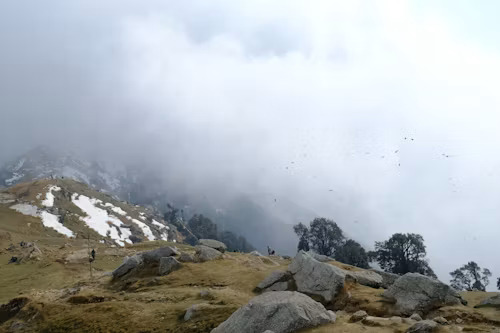
How to Prepare for the Parangla Trek: Fitness & Training Guide
Prepare for the Parangla Trek requires six to eight weeks of cardio training, leg strength work, and altitude simulation. Start with 30, minute walks and build to two, hour hikes with a loaded pack. Train at stairs or inclines weekly. Acclimatization matters more than peak fitness at 5,400 metres.
What the Parangla Trek Demands From Your Body
Most people train for distance. The Parangla Pass elevation at 5,400 metres doesn't care how far you can run. It cares whether your lungs can extract oxygen from air that's half as dense as Mumbai.
Cardiovascular Base: The System That Fails First
Your heart and lungs do the heavy lifting at altitude. Every step at 5,000 metres demands more oxygen than the same step at sea level. Your body compensates by breathing faster and pumping harder.
Training builds this capacity over time. Start with walks that keep your heart rate elevated for 30 minutes straight. No breaks. Build to 45 minutes, then an hour. The goal isn't speed. It's sustained output.
Flat roads work early on. By week three, you need hills. Real ones. The kind that make your calves burn and your breathing ragged. That's the training zone that prepares you for Himachal Pradesh trekking and builds the mountain trekking fitness training foundation you'll need.
Strategic Tip: Monitor your resting heart rate each morning. A drop over weeks signals improved cardiovascular fitness.
Leg Strength Under Load: What Saves Your Knees
The Parangla Trek route includes steep ascents and descents over loose rock. Your quads stabilize every downhill step. Your glutes power every uphill push. Weak legs mean wobbly knees by Day 3.
Train with a loaded pack. Start with five kilograms. Add weight weekly until you're carrying ten to twelve kilograms. Walk stairs. Do hill repeats. Squat with good form.
But here's the catch: strength without endurance fails. You need legs that hold up for six hours straight, not just one gym session. Long walks with weight and proper trekking gear and equipment beat short, intense gym sessions every time.
Strategic Tip: Practice downhill walking with trekking poles to save your knees and build stability on uneven terrain.
The Six, Week Training Plan That Actually Works
A Bangalore tech lead trained for three months before his first trek. Hit the gym five days a week. Failed at altitude. He'd built muscle, not the systems that adapt to thin air and long days.
Weeks One to Two: Building Your Baseline
Start simple. Walk 30 minutes daily at a pace that raises your heart rate but lets you hold a conversation. No pack yet. Focus on consistency.
Add two stair sessions per week. Find a building with at least eight floors. Climb at a steady pace. Walk down slowly. Repeat three times. Your legs will complain. That's the point.
Core work matters here too. Planks, side planks, and bird dogs build the stability you need when the trail gets technical. Ten minutes daily is enough.
Weeks Three to Four: Adding Load and Duration
Now you carry weight. Start with a five, kilogram pack on your daily walks. Extend walk time to 45 minutes. The load changes everything. Your shoulders, back, and hips all adapt.
Increase stair sessions to three per week. Add two floors to your climb. Keep the pace steady. Don't sprint. Endurance trumps speed for trekking preparation tips.
One long walk each weekend. Two hours minimum. Find hills if possible. Mumbai locals can head to Sanjay Gandhi National Park. Pune trekkers have plenty of options in the Western Ghats nearby.
Strategic Tip: Pack your actual trekking gear and equipment during training walks to test comfort and adjust fit before the trip.
Ready to Trek the Himalayas? Explore our complete leh ladakh bike trip packages with guided preparation support and altitude acclimatization plans. View Trek Packages
Weeks Five to Six: Peak Training Load
Increase pack weight to ten kilograms. Push daily walks to 60 minutes. Your body should feel the training but not break down. If joints ache beyond normal muscle fatigue, back off.
Weekend walks hit three hours now. Bring your full trekking kit. Wear the boots you'll use on trail. Break them in properly. Blisters end treks faster than weak legs.
Final week before departure: taper. Cut training volume by half. Let your body recover and store energy. Fresh legs on Day 1 beat exhausted legs every time.
Strategic Tip: Schedule your last heavy training session ten days before departure to allow full recovery.
Why Altitude Acclimatization Beats Gym Fitness
An ultra, marathoner from Chennai joined a Parangla group last year. Could run 50 kilometres without stopping. Turned back at 4,800 metres with splitting headaches and nausea. His cardiovascular system was elite. His body hadn't learned to function on less oxygen.
The Acclimatization Process: What Actually Happens
Your body adapts to altitude by producing more red blood cells. More cells carry more oxygen. But this takes time. Rush the ascent and your system can't keep up.
Acute Mountain Sickness hits when you climb too fast. Symptoms include headache, nausea, fatigue, and dizziness. Severe cases progress to pulmonary or cerebral edema. Both are life, threatening.
The altitude acclimatization guide is simple: climb high, sleep low. Spend nights at lower elevations than your day's high point. Give your body time to adjust before pushing higher.
Training for Altitude When You Live at Sea Level
You can't replicate altitude at sea level. But you can prepare your body for the stress through mountain trekking fitness training. High, intensity interval training builds cardiovascular efficiency. Sprint for 30 seconds, walk for 90 seconds. Repeat ten times.
Breath control exercises help too. Practice breathing slowly and deeply. Hold your breath for short intervals during easy walks. This builds comfort with less oxygen.
If you're booking the best time to trek Parangla from May to September, consider arriving in Leh two days early. Spend time at 3,500 metres before starting the trek. Walk around town. Let your body start adapting.
Strategic Tip: Stay hydrated during acclimatization. Dehydration mimics and worsens altitude sickness symptoms.
Gear That Supports Your Training Goals
A group from Hyderabad showed up with brand, new boots bought the week before. By Day 2, three trekkers had blisters so bad they needed bandaging at every rest stop. New gear needs break, in time.
Footwear: The Item You Can't Get Wrong
Trekking boots need ankle support and grip. Buy them early in your training window. Wear them on every training walk. By departure day, they should feel like extensions of your feet.
Look for boots rated for mountaineering, not just day hikes. The Parangla Trek difficulty level demands real mountain boots. Waterproofing matters too. Snow and stream crossings are common.
Test your boots on different terrain during training. Stairs, rocky paths, mud, and gravel all reveal fit issues. Fix them with insoles or lacing adjustments before the trek.
Pack and Layers: Weight Distribution Matters
Your pack carries clothes, water, snacks, and safety gear. Aim for twelve to fifteen kilograms total on trek day. Practice packing during training with your trekking gear and equipment to understand optimal weight distribution. Balance weight between compartments.
Layering works better than one heavy jacket. Base layer, insulation layer, and waterproof shell let you adjust as temperatures shift. Mountain weather changes fast.
Train with the actual layers you'll wear. Understand how they move together. Adjust pack straps while walking. Get comfortable with the full system before you're at altitude.
Strategic Tip: Pack lightweight trekking poles in your training kit. They reduce knee stress by up to 25% on descents.
Final Thoughts
Preparation determines summit success more than natural fitness. Start early. Train the right systems. Give your body time to adapt.
The Parangla Trek rewards consistency over intensity. Slow, steady mountain trekking fitness training builds the endurance and strength you need at 5,400 metres. Skip the shortcuts. Put in the weeks.
You'll stand at the pass knowing your legs can handle it. That's the difference training makes.
Start Your Himalayan Adventure Join guided treks with expert altitude management and thorough preparation support. We handle logistics, acclimatization schedules, and safety protocols so you focus on the trail. Book Your Trek Today