
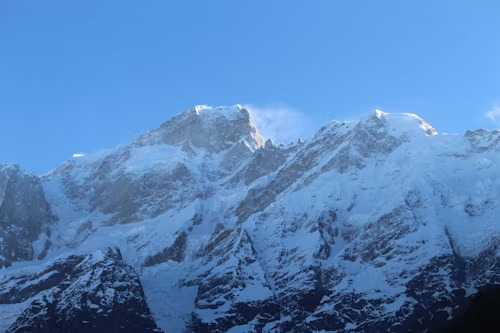
Can a Beginner Do Kedarkantha Trek? Complete First-Timer Readiness Guide
Can a beginner do Kedarkantha trek? Yes. It sits in the easy-to-moderate trek difficulty classification. You walk roughly 20 kilometers over 5-6 days. The summit stands at 12,500 ft. No ropes or climbing gear needed. Beginners who train for four weeks and join a guided group usually reach the top and come back smiling.
Over 70% of Kedarkantha trekkers are first-timers. And 95%+ of beginners complete the trek with organized groups. Those figures come from Dream Go Himalayas. Read that again. Most people on this mountain have never done a Himalayan trek before. So, can a beginner do Kedarkantha trek? The mountain itself keeps answering yes, every winter. This guide shows you exactly how to get ready: fitness tests, snow hazards, altitude, and how guides and operators support you from the first camp to the final climb.
- Most Kedarkantha trekkers are first-timers, and nearly all finish with guided groups.
- Four weeks of simple walking and stair training is enough preparation.
- Snow, ice, and altitude are real, but guides and gear handle them.
Can a Beginner Do Kedarkantha Trek? Test Your Fitness Before You Book
A Mumbai techie who takes the lift to the third floor lands in Sankri and wonders why the first slope feels so cruel. The mountain checks your fitness on day one, not your booking confirmation.
Here's the honest part. The fitness requirements for a first time Himalayan summit trek are lower than most people fear. But they aren't zero. Your legs and lungs need a base. Build it before you go, not on the trail.
Pre-Trek Fitness Benchmarking: Three Tests You Can Do This Week
Don't guess your fitness. Test it. Pre-trek fitness benchmarking means checking yourself against simple targets at home. Try a brisk 5 km walk without stopping. If you live in a high-rise in Mumbai or Pune, skip the lift for a week. Climb the stairs instead.
Third test: walk with a loaded bag. Fill a backpack with water bottles and do a long evening walk. If all three feel hard, that's fine. You just found your starting line, not a rejection letter.
Micro-Training Progression: The 4-Week Preparation Plan
Kedarkantha trek preparation for beginners works best as a micro-training progression, a 4-week preparation plan with small weekly jumps. Nothing fancy. No gym membership needed.
- Week 1: Brisk walks, four days. Add one stair session.
- Week 2: Longer walks. Two stair sessions. Add squats at home.
- Week 3: Walk with your loaded backpack. Keep the stairs going.
- Week 4: One long walk in your actual trek shoes. Then rest.
The trail rewards steady legs, not gym numbers. Consistency beats intensity here. Every single time.
Strategic Tip: Do every Week 3 and Week 4 session wearing the exact shoes and backpack you'll carry on the trek. New shoes on the mountain cause more dropouts than weak legs do.
The Summit Push Starts Before Dawn, and Ice Decides Who Gets Up
At the snowline, the trail that looked like a postcard turns slick under fresh powder. Every first-timer discovers this at the exact moment their hands are coldest.
So, is Kedarkantha trek easy or hard? Honestly, it's both. The walking is easy. The conditions are not. Beginner-friendly Himalayan trekking still happens in real winter, with real ice. Know the two big hazards before you meet them.
Winter Snow and Verglas Hazards: What the Photos Hide
Winter snow and verglas hazards are the trek's sharpest edge. Verglas is a thin, clear sheet of ice on rock. You can't see it. You feel it when your boot slides. Fresh snow hides it even better.
The fix is boring and it works. Wear microspikes (metal grips that strap onto your boots) when the guide says so. Step where the guide steps. Use your poles. Slow feet stay upright. Fast feet meet the ground the hard way.
Summit Altitude Acclimatization at 12,500 ft
The second hazard is thin air. Summit altitude acclimatization at 12,500 ft means letting your body adjust to less oxygen. The route is built for this. The trek spans approximately 20 kilometers over 5-6 days, with a 1,850-meter elevation gain spread across multiple days for gradual acclimatization.
Which is why the itinerary feels slow on paper. That slowness is the safety plan. Drink water constantly, even when you're not thirsty. Walk at a pace where you can still chat. And here's the bit no brochure tells you: the trekkers who struggle at altitude are usually the fit ones who raced ahead on day one.
How Guide Support and Safety Systems Turn Fear Into a Finished Trek
The quietest person in the group on day one is often the one grinning widest on the summit. Confidence on this trail gets built camp by camp, and sometimes borrowed from the guide walking beside you.
Some treks demand mountaineering courses, ropes, and a serious kit budget. Kedarkantha doesn't. The route asks for non-technical climbing skills only: steady walking, balance on snow, and basic pole use. That's it. Everything else, the system provides.
What a Good Operator Actually Carries for You
Guide support and safety systems are the real reason first-timer completion rates stay so high. A good operator runs daily health checks with a pulse oximeter (a small clip that reads your oxygen level). They carry oxygen, a stretcher, and a plan for turning someone around safely.
Ask questions before you pay. Most Indian operators run booking on WhatsApp with a UPI deposit, so asking is easy. Ask about the leader-to-trekker ratio. Ask what happens if you fall sick at camp two. A vague answer is your cue to book elsewhere.
Mental Preparation and the Best Time to Go
The best time to do Kedarkantha trek for beginners is December to March, when snow makes the trail magical but the cold is honest. Many Mumbai trekkers plan it around the Christmas or Republic Day break. Book early. Winter batches fill fast, often right after the Diwali holidays.
Now the mind part. Don't think about the summit. Think camp to camp. Today, just reach Juda ka Talab. Tomorrow, just reach base camp. Small goals shrink a big mountain. Your legs carry you up. Your self-talk decides whether they get the chance.
Strategic Tip: On summit night, put your water bottle upside down inside your jacket pocket. Water freezes from the top, so the mouth stays drinkable, and cold dehydration is the sneakiest energy killer on the final climb.
Book First, Then Earn It
Can a beginner do Kedarkantha trek? You already know the answer. The better question is whether you'll give yourself the four weeks of preparation the mountain quietly asks for. Most people wait for a fitter version of themselves that never shows up. Book the batch, start the stair climbs this week, and let the deadline train you.