
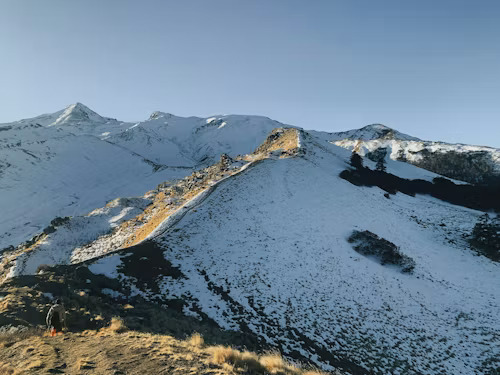
Best Time for Kuari Pass Trek: Month by Month Weather and Snow Guide
Best time for Kuari Pass trek comes in two windows. Trek from mid-March to April for rhododendron blooms and soft snow. Trek from late September to November for sharp views of Nanda Devi. December to early March suits snow lovers. Skip July and August. Monsoon rain hides the mountains completely.
Picture an office-goer whose leave gets approved only for July. He books Kuari Pass for that window. He lands in Joshimath to two days of non-stop rain. No views. Just clouds, slush, and a trek leader shaking his head. The month you pick decides everything on this trail, more than your shoes or your fitness. This guide breaks down the best time for Kuari Pass trek, month by month, so your leave application and the mountain agree with each other.
- Autumn trekking (September-November) gives the clearest views of Nanda Devi.
- Winter (December to March) brings deep snow, white meadows, and freezing nights.
- Avoid July and August completely. Monsoon rain wipes out every view.
The Best Time for Kuari Pass Trek Comes in Two Short Windows
Every trek leader in Joshimath hears the same dinner question: which month is truly the best? The honest ones never give a single answer. They give two.
Think of the trekking year here as a thali. Two items carry the whole meal. Autumn carries the views. Spring carries the flowers and the leftover snow. Everything else on the plate is either a compromise or a mistake. Any solid Kuari Pass Trek season guide starts from this split.
Autumn Trekking (September to November): The View Window
The rain retreats by mid-September. The sky washes clean. From October, Nanda Devi, Dronagiri, and Kamet stand sharp against blue for days on end. Autumn trekking (September-November) is the classic window for mountain visibility and weather conditions that reward clear skies. Air is crisp, trails are dry, and nights are cold but manageable. It's also when the Diwali long weekends hit. Batches from Delhi, Pune, and Bengaluru fill up fast in that stretch. Book before the festive rush, not during it.
Winter Trekking Season (December to March): The Snow Window
The winter trekking season (December-March) turns the trail white. Meadows and alpine grasslands vanish under snow. The forest goes quiet. It looks unreal. But it demands more from you: colder nights, heavier bags, slower walking. Here's a practitioner note most guides skip. Snow isn't guaranteed in December anymore. In many recent seasons, the first proper dump has arrived only in January. Ask your operator about current snow reports before you pay.
Strategic Tip: Want guaranteed snow underfoot? Book late January to February, not December. Confirm the latest snow report on your operator's WhatsApp group a week before travel.
How Snow Coverage and Snow Melt Decide What the Trail Feels Like
Two trekkers walk the same trail four weeks apart. One kicks steps into knee-deep snow. The other walks a flower-lined path on brown earth. Same route, different planet.
Snow coverage and snow melt are the real clock on this trek. Here's the Kuari Pass weather month by month, broken down by temperature ranges by month, in plain words:
- January: Deepest snow. Hardest walking. Coldest nights.
- February: Snow stays heavy. Skies often stay clear between spells.
- March: Snow melt begins lower down. Spring trekking (March-April) opens up.
- April: Rhododendron blooms peak in the forest. Snow lingers only near the top.
- May to June: Summer trekking (May-June) means green slopes and warm days. Haze softens the views.
- July to August: Monsoon avoidance (July-August) is rule one. Rain, slush, leeches, zero views.
- September: Rain fades. Fresh green everywhere.
- October to November: Cleanest skies of the year.
- December: Cold sets in. First snow, some years late.
Kuari Pass Trek Snow Conditions and Temperatures
The pass sits at roughly 12,500 feet. Air is thin up there. Kuari Pass Trek snow conditions change fast with height. Lower camps may be dry while the top ridge holds knee-deep snow. Days in autumn feel pleasant in the sun. The ideal time visit Kuari Pass Uttarakhand brings winter nights that drop well below freezing at the higher camps. Layers matter more than one thick jacket.
Rhododendron Blooms, Meadows, and the Monsoon Problem
Late March to April is bloom season. The oak forest turns red and pink with rhododendron blooms. Above the treeline sit the bugyals, the local Himalayan name for high meadows and alpine grasslands, which glow green from May. Then the monsoon arrives and ruins the party. Clouds sit on the ridge for weeks. Honestly, no view is worth a wet July tent here.
💡 Strategic Tip: Trekking in late May or June? Carry a proper rain layer anyway. Pre-monsoon showers hit the ridge by afternoon, so start walking early and reach camp by lunch.
Not sure which window fits your leave?
Tell us your dates and fitness level, and we'll match you to the right batch.
When to Trek Kuari Pass by Difficulty: Match the Month to Your Body
Two friends join the same February batch. One trained on stairs for two months and loved every step. The other hadn't walked further than his parking lot. Guess who turned back before the ridge.
The question of when to trek Kuari Pass by difficulty has a simple logic. Same trail, different effort. Snow makes every step cost more. Dry trail forgives more mistakes. Pick your month by your body, not by Instagram.
First Timers vs Regular Trekkers: Which Month Fits You
New to the mountains? Take April or October. The trail is friendly, the weather is stable, and acclimatisation (letting your body adjust to thin air) comes easier. Honestly, April wins for first timers every time. Blooms below, snow patches above, gentle cold. Done a few Himalayan treks already? January and February will test you properly and reward you with a white world. Never trekked at all? Build your legs first with weekend trekking in Maharashtra from Mumbai, then come to the Himalayas.
Photography, Crowds, and Gear by Season
Photographers should pick late October or November. First light on Nanda Devi from the ridge is the shot of the trek. (Sunrise here beats sunset; morning air is cleaner before valley haze rises.) Crowds peak in October and around New Year. February is quieter. Gear shifts by season too. Winter needs microspikes, which are metal grips that strap onto your shoes. It also needs gaiters, ankle covers that keep snow out of your boots.
For any trek between December and March, confirm your operator provides microspikes before paying the UPI advance. If they don't, that tells you enough about the operator.
Pick Your Month Before You Book Your Train
Most people plan this trek backwards. They book leave first, then hope the mountain cooperates. Flip that order. Decide what you want from the trail, then fight for the matching dates. Contact your operator at least two weeks ahead with three questions: current snow depth at each camp, recent weather patterns from their last batch, and what gear they provide versus what you must rent. So which trekker are you: the one who wants snow crunching underfoot, or the one who wants Nanda Devi sharp against a clean blue sky? Answer that, and your ideal time visit Kuari Pass Uttarakhand picks itself.
Lock your Kuari Pass window this season
Bhatke Adventures runs guided Kuari Pass batches through the autumn and winter windows, with gear support and small groups.